
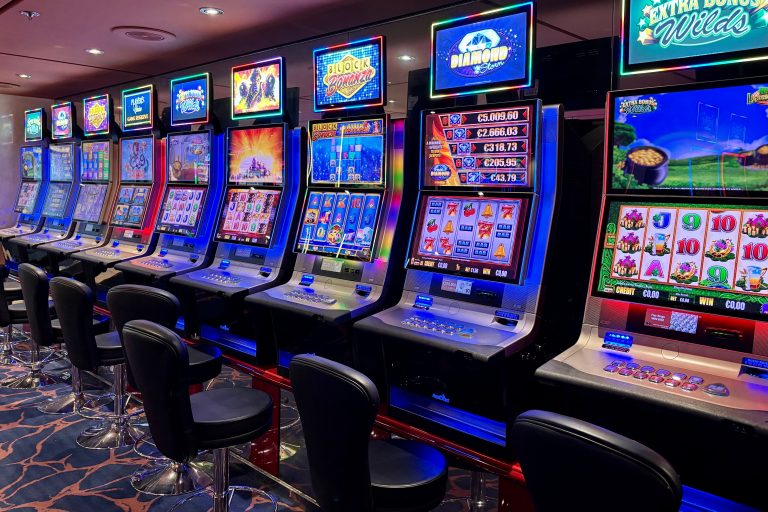
Walk into almost any Australian pub or RSL club and you will likely spot a bank of flashing screens near the back wall. Few visitors stop to ask how these machines became so central to social life, yet the story stretches back more than a century and tells us a lot about the country’s relationship with leisure, money and community. Australians call them “pokies,” and they have shaped everything from weekend routines to fierce political debates.
Early Machines in Pubs and Tobacconists
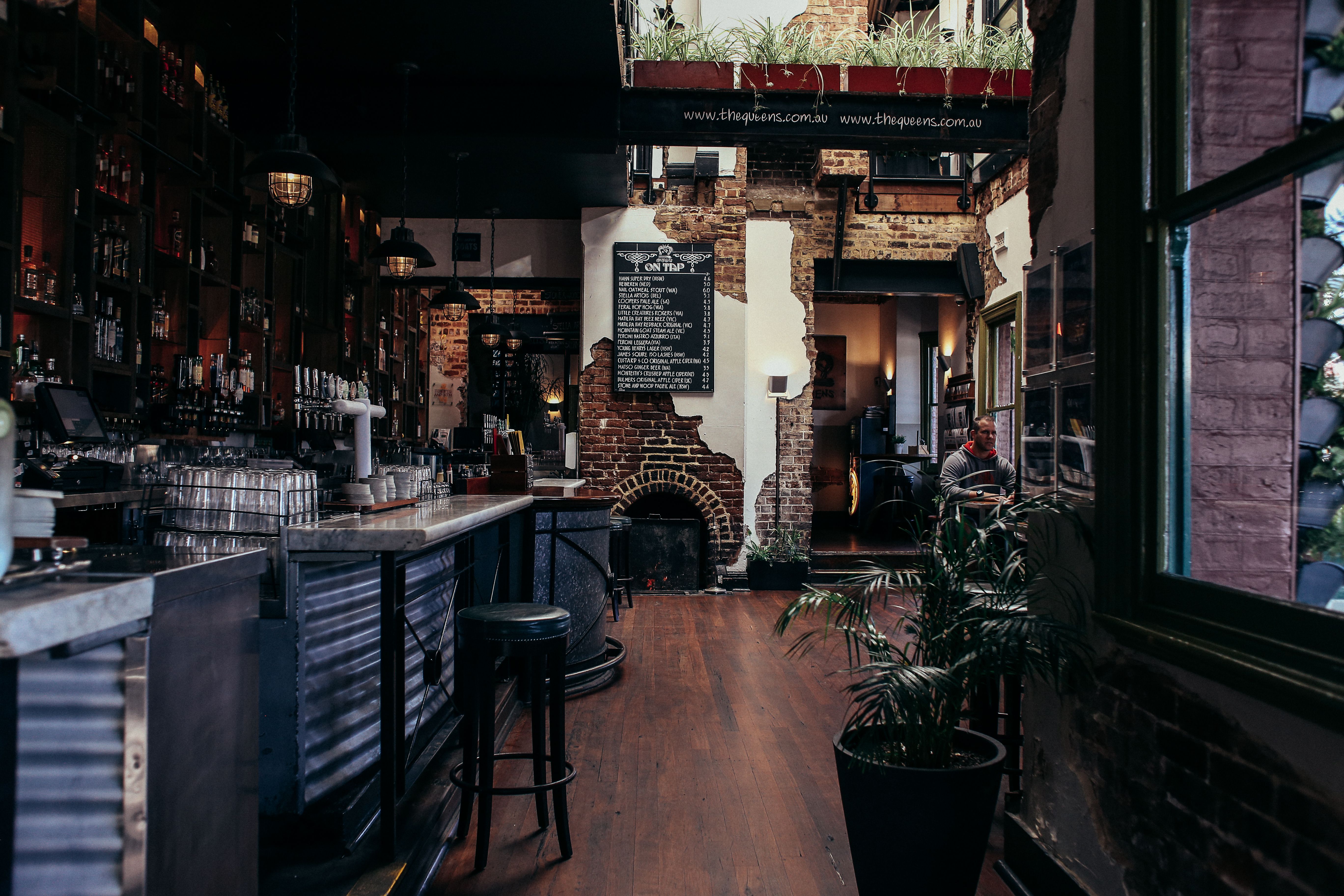
The earliest versions of the poker machine were far simpler than today’s games. Historical accounts suggest they began appearing in Australian pubs and tobacconists in the 1890s, with some Melbourne venues advertising them as “the latest invention.” Many of these early machines offered cigars or other small goods as prizes rather than cash, but the appeal was clear. Players could try their luck while having a drink, and publicans quickly saw the value in keeping customers on the premises.
Authorities were not impressed. Colonial governments moved to restrict the machines around the turn of the century, and by 1906 New South Wales had passed laws that banned most forms of gambling in clubs and hotels. The rules were patchy, however, and enforcement was inconsistent. Machines kept appearing in clubs, especially those with wealthier memberships, and the legal status of the games remained murky for decades.
Clubs Take Control of the Pokie Market
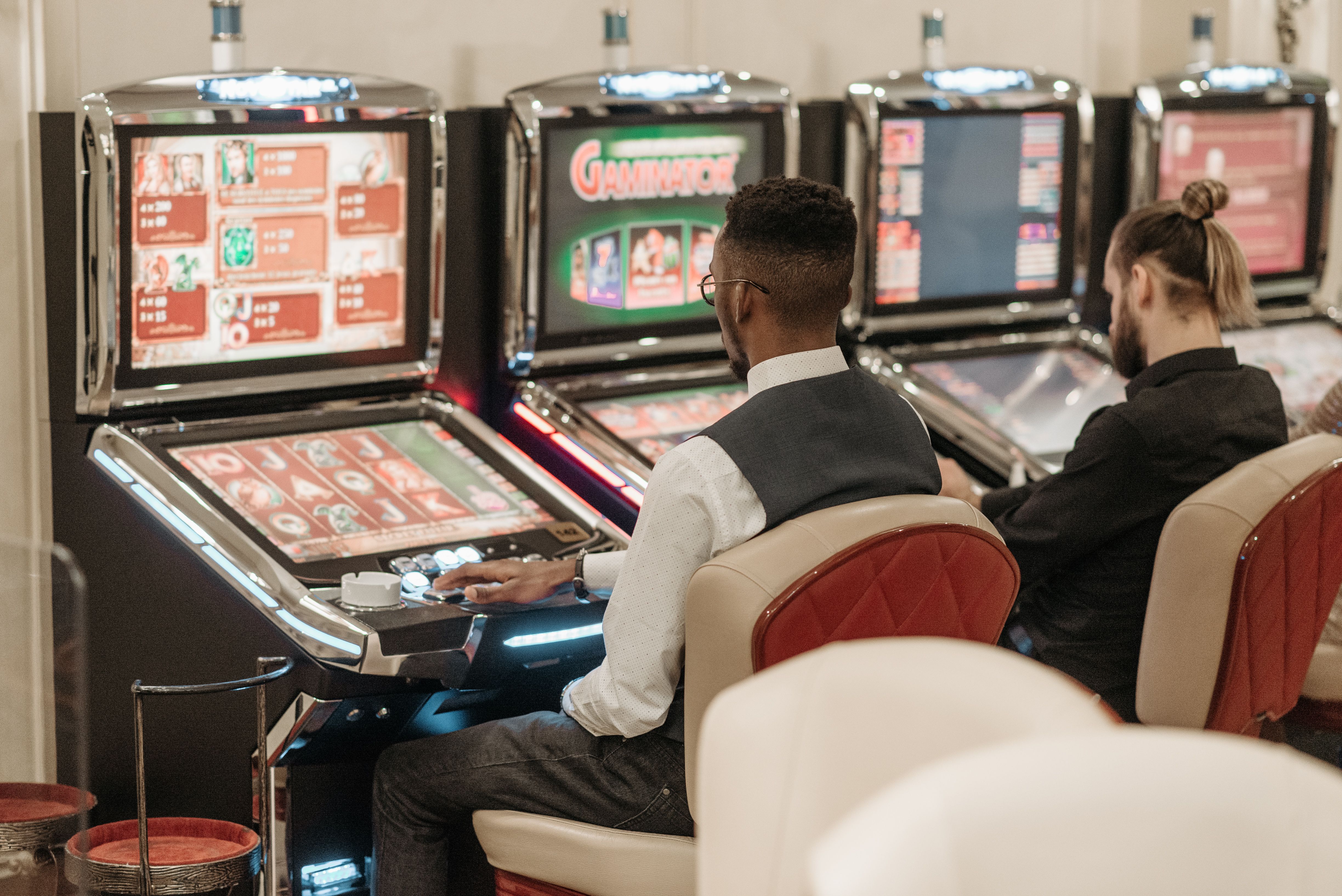
The real turning point came in New South Wales in 1956, when the government legalised gaming machines in registered clubs. The reasoning was tied to community benefit. Clubs were not-for-profit organisations, and the money raised from machines was meant to fund facilities and member amenities. In practice, the arrangement gave clubs a near monopoly over machine gambling in the state for years.
Pokies became extremely popular with New South Wales residents, and within a short time they were the biggest source of gambling spending in the state. Clubs grew rapidly in assets, membership and facilities, and the government collected substantial tax revenue from the machines. According to a Australian Institute of Criminology overview of gambling in Australia, legal poker machines were first permitted in New South Wales in 1956, while illegal machines had operated in the country since the early 1900s. That gap between legal and unofficial use helps explain why pokies felt so ordinary to many Australians: they had been part of the social fabric long before the law caught up.
Spreading Across the States
Other states were slower to follow. The Australian Capital Territory legalised poker machines in 1976, partly to stop Canberra residents from crossing the border to spend money in New South Wales clubs. Victoria and Queensland legalised them in 1991, South Australia in 1992, Tasmania in 1997 and the Northern Territory in 1998. Western Australia has kept machines largely confined to its casino. Each state built its own rules on number limits, venue types and taxation, which is why the experience of playing a pokie can vary depending on where you are.
Today, people who want to compare how online pokies are presented can turn to comparison platforms such as Crazyvegas, which help readers explore different options side by side. Those curious about the modern version of the game can learn more about how online pokies work.
Pokies Move Into Pubs in the 1990s
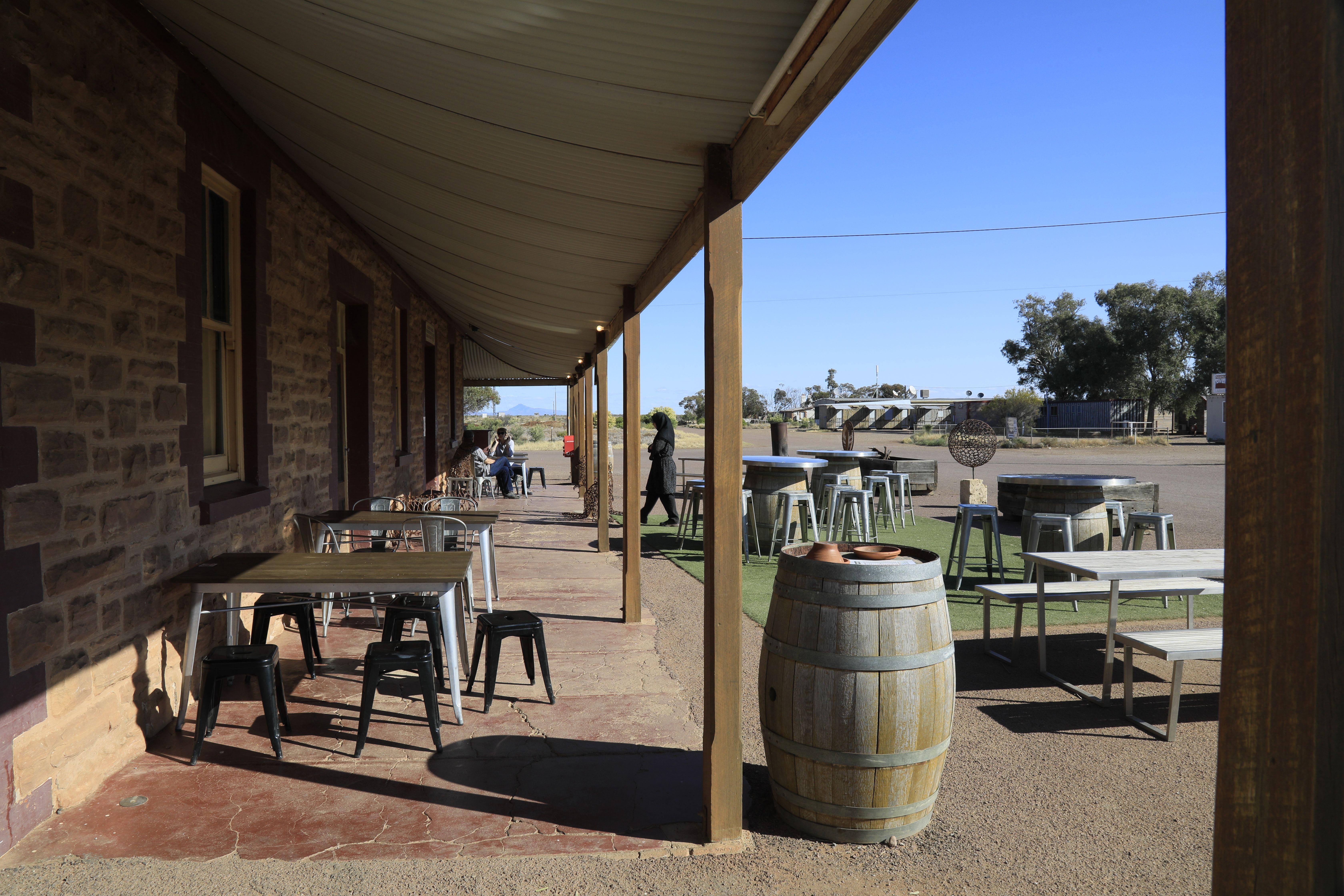
For much of the twentieth century, clubs held the upper hand. Publicans had long argued that the arrangement put them at a disadvantage, and they lobbied hard for their own share of the market. In the early 1990s, several states allowed machines into hotels. Queensland moved first in 1992, South Australia followed in 1994, and New South Wales opened pubs to machines in 1997. For a country where the local pub is a social centre, especially in regional towns, this was a major change.
The expansion was a huge boost for the industry. Computerisation made machines more reliable and easier to audit, while new games with linked jackpots and faster play kept players engaged. Research from the period also showed that machine gambling was linked to a significant share of gambling problems, which led to public protests in places such as Victoria and South Australia. Pokies had become part of everyday life, and so had the debate about them.
Pokies in Today’s Culture
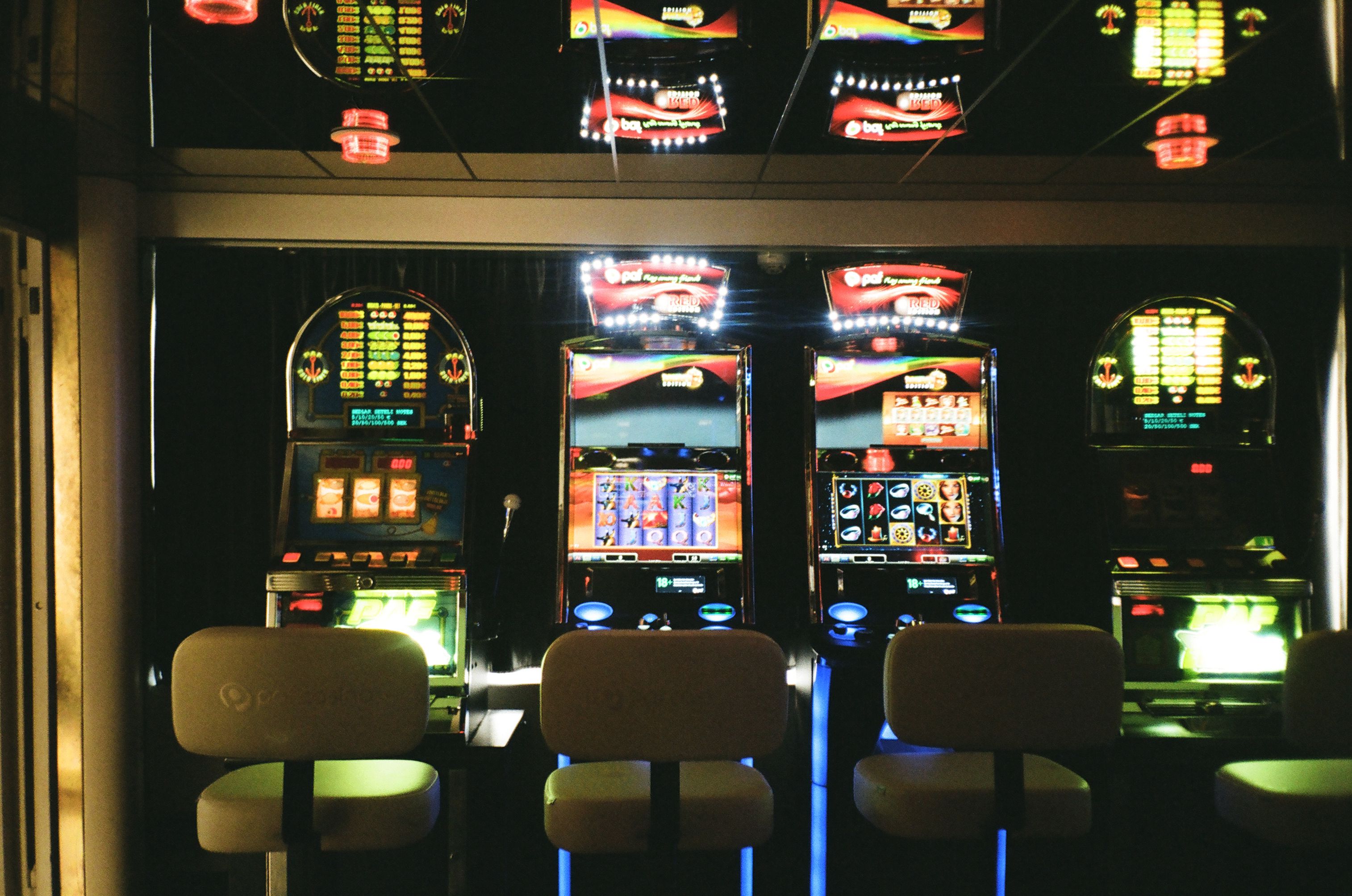
Pokies now sit at the centre of Australian gaming culture, appearing in jokes, advertising, sporting club life and national conversations about harm. The scale is striking. In a 2017 analysis, researchers at The Conversation noted that Australia had nearly 200,000 poker machines, one for every 114 people, and that the country had more machines per person than almost any other nation outside casino-tourism hubs. Their analysis also found that participation had fallen in many states since the late 1990s, even as the amount lost by regular players stayed high.
Those numbers help explain why pokies are both a fixture and a flashpoint. For many people they are simply part of a night out, a way to spend time with friends or a familiar sound in the background of a pub. For others, they raise serious questions about money and wellbeing. That tension is a big reason the pokie story remains so present in Australian life.
What the Pokie Story Tells Us
The history of pokies is really a history of Australian social life. The machines moved from pub bars and tobacconists to licensed clubs, then into hotels and casinos, always riding a mix of community ambition, government revenue and public unease. Few other forms of entertainment have been so tightly woven into the country’s clubs, pubs and weekend routines. Whether you see them as harmless fun or a policy problem, pokies have earned their place as one of the most recognisable elements of Australian gaming culture.