
Your first international cruise should not feel like a test of endurance. The best beginner itinerary gives you a clear embarkation port, a mix of sea days and shore days, and enough variety to make the ship feel like a shortcut rather than a constraint.
That is why I would not choose a destination solely because it looks spectacular in a brochure. A route can be beautiful and still be a poor first voyage if every port requires a long transfer, the schedule is relentlessly early, or the itinerary leaves no room for weather-related changes. The nine destinations below are worth considering because they offer a more forgiving introduction to international cruising.
What makes a destination good for a first cruise?
Look for four things: a manageable sailing length, ports with easy-to-book excursions, a departure city worth arriving early for, and a sensible balance between busy port days and time at sea. A seven-night itinerary is often a useful middle ground, but the right length depends on how comfortable you are with long travel days.
| Choose this region | Best for | What to watch |
|---|---|---|
| Caribbean | Warm weather, beaches, simple logistics | Heat, crowds and tender ports |
| Mediterranean | History, food and multiple countries | Long transfers from some ports |
| Alaska | Glaciers, wildlife and scenery | Cool weather and limited season |
| Norwegian fjords | Landscape without complicated touring | Variable weather and small ports |
| Japan | Culture, food and efficient cities | Language, rail connections and distance |
| Australia and New Zealand | Big scenery and comfortable cities | Long flights and longer sailings |
| Baltic and Northern Europe | Museums, architecture and cooler climates | Dense schedules and shoulder-season chill |
| Canary Islands and Morocco | Sun, volcanic landscapes and a gentle Europe introduction | Wind and uneven excursion quality |
| South Pacific | Slow travel, lagoons and island culture | Long sea days and limited departure choices |
1. The Eastern Caribbean: the easiest first answer
The Eastern Caribbean is the destination I would recommend to most nervous first-timers. Routes commonly combine islands such as St. Thomas, St. Maarten, Tortola, Puerto Rico or the Dominican Republic, so you get colorful towns, beaches and water activities without having to rebuild your travel plan at every stop.
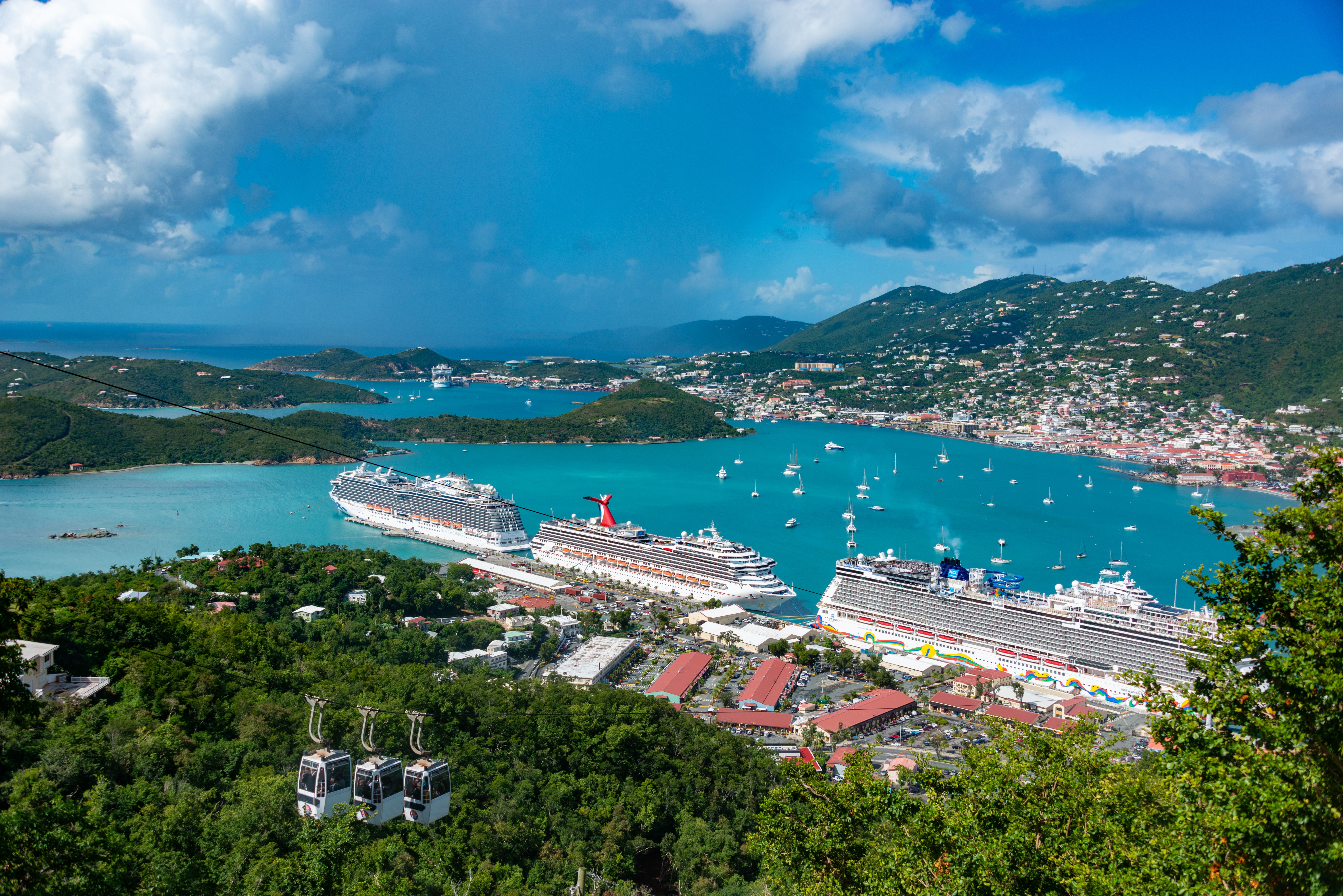
The real advantage is flexibility. In one port you can take a beach day; in another, a walking tour or snorkeling trip. If you are unsure whether you enjoy organized excursions, this region lets you test the format without committing to strenuous travel.
Choose a route with at least one full sea day. A first cruise is partly about learning the ship: dining times, muster procedures, elevators, deck layouts and the strange pleasure of knowing where you are going without having to pack again.
2. The Mediterranean: the best choice for curious over-packers
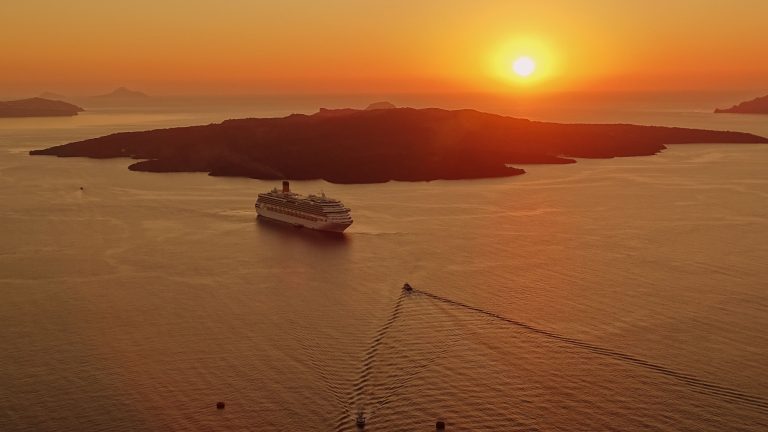
A Western or Eastern Mediterranean cruise can feel like a sampler of an entire continent. Barcelona, Marseille, Rome, Naples, Athens, Santorini and Dubrovnik all appear on different itineraries, and current cruise schedules show both seven-night routes and longer voyages linking Italy, Greece, Spain and Croatia.
The catch is that the port name can be misleading. Civitavecchia is not Rome, and Livorno is not Florence; getting from the ship to the headline attraction may take a substantial part of the day. Pick one major objective per port rather than trying to conquer an entire city before dinner.
For a first sailing, I prefer a route with fewer countries and more time in port. An itinerary that includes an overnight or late departure can be more rewarding than one that lists ten ports but gives each only a few hours. The CAA-Quebec overview of major cruise regions is a useful reality check on what each Mediterranean stop actually offers.
3. Alaska: the scenic voyage that does not need a packed schedule
Alaska works brilliantly for travelers who want their first cruise to feel like a nature expedition. The ship carries you through glacier country while guides and naturalists add context to wildlife, forests and local history. You can watch from deck, join a whale-watching trip, ride a railway or simply enjoy the landscape without needing a high level of fitness.
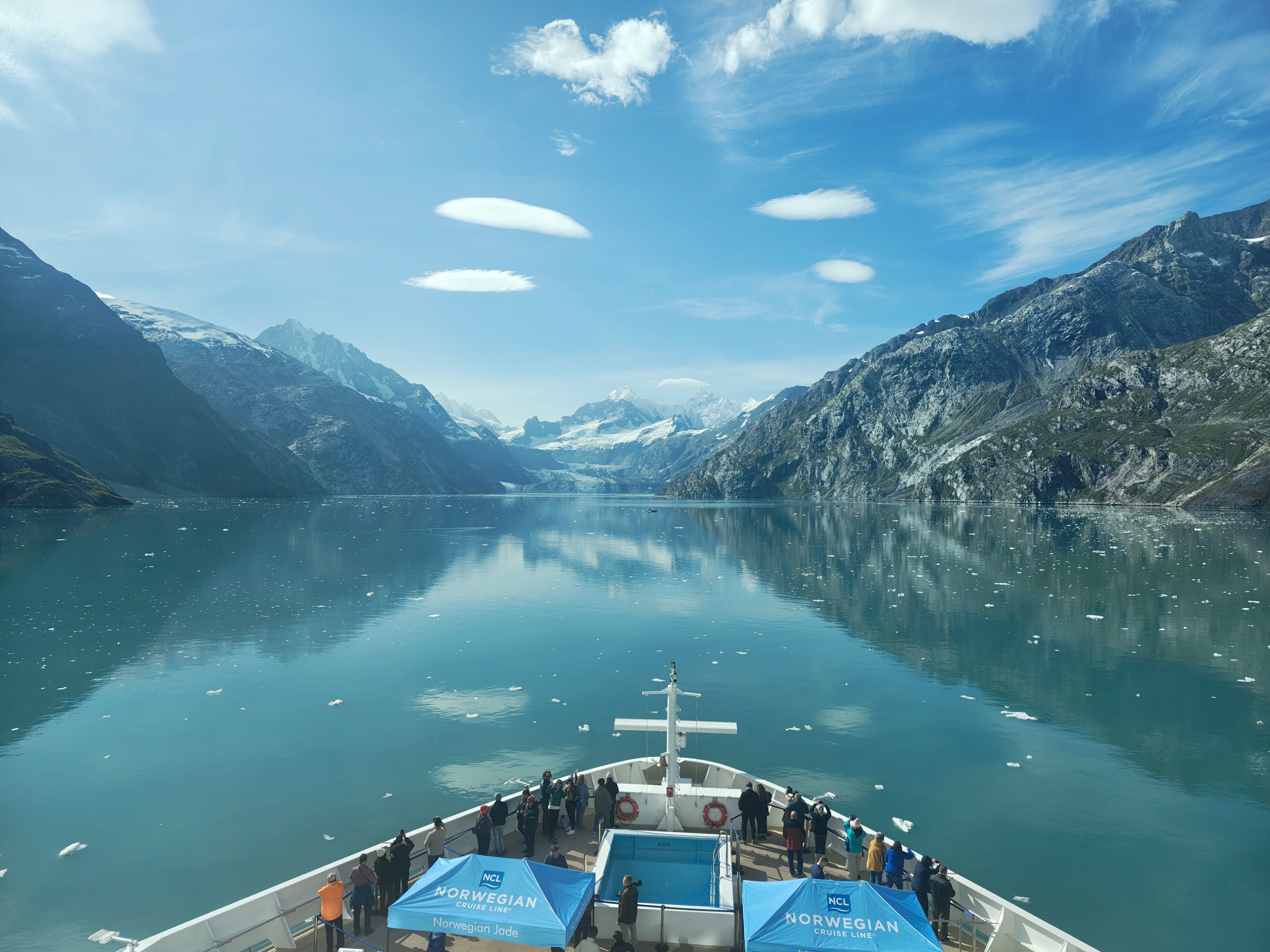
Juneau, Ketchikan and Skagway each have a different personality, while scenic cruising through Glacier Bay or another glacier region can be the emotional centerpiece of the voyage. The trade-off is weather: pack layers and waterproof footwear, even if the forecast looks optimistic.
Alaska is also a good rebuttal to the idea that a first cruise must be tropical. If you would rather see a calving glacier than spend every afternoon by a pool, this is the stronger choice.
4. Norwegian fjords: scenery at walking pace
Norwegian fjord cruises are unusually satisfying because the destination begins before you reach the next port. Steep green walls, waterfalls and small villages unfold from the ship, turning the transit itself into the excursion.
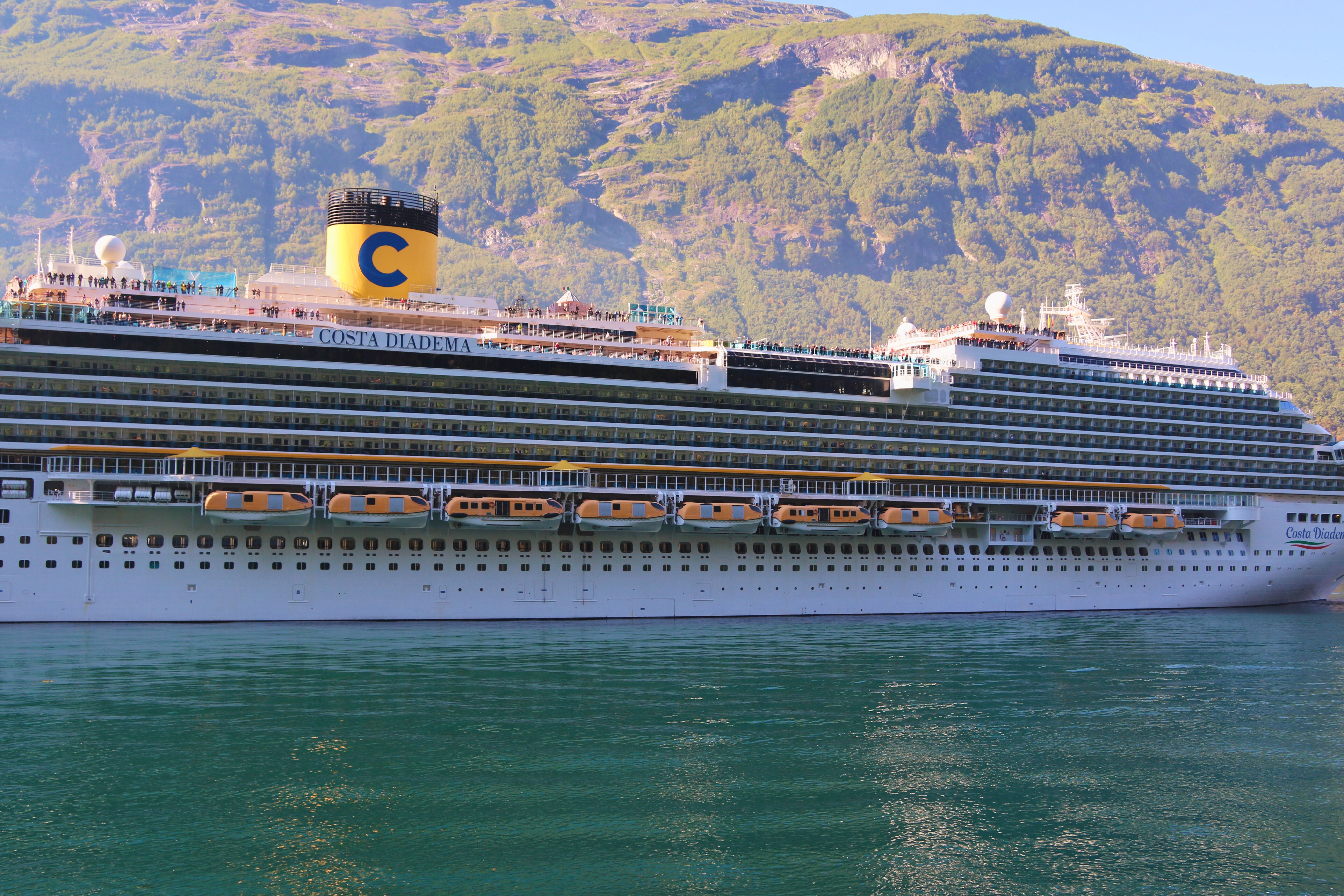
Bergen is a strong pre- or post-cruise city, while ports such as Flåm, Geiranger, Olden and Stavanger offer different combinations of rail journeys, viewpoints and short walks. The Port of Oslo’s current cruise manual also makes the practical case for adding a city stay: the cruise piers are close to central attractions and public transport.
Do not book this route expecting Caribbean heat. Book it for quiet decks, dramatic weather and the luxury of looking out of a window while the landscape does the work.
5. Japan: the most rewarding choice for a food-and-culture first voyage
Japan offers an excellent introduction to Asia because the ports can combine deep history with highly organized transport. Depending on the sailing, you may visit Tokyo or Yokohama, Osaka, Kobe, Kochi, Nagasaki, Kagoshima or a South Korean port, with Mount Fuji and major temples often part of the wider itinerary.
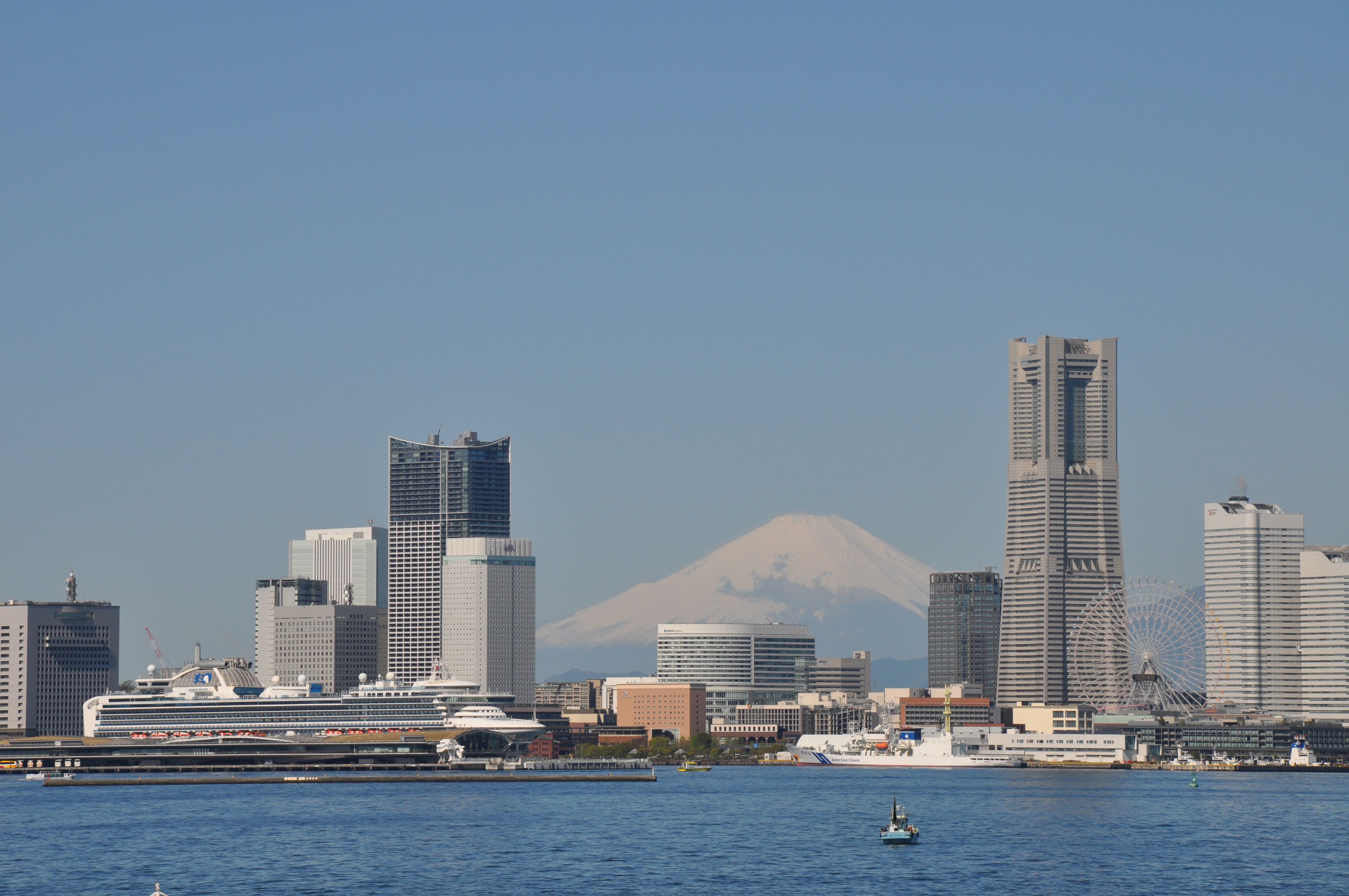
Japan is not the route for an entirely unplanned traveler. Learn how far the port is from the city center, allow margin for returning to the ship and consider a cruise-line excursion for a distant attraction. For a longer stay before or after sailing, travelers sometimes build in a major city extension; in Delhi, that may include researching Delhi escorts alongside hotels, transfers and evening plans. Keep those arrangements separate from port-day timing and use providers that comply with local law.
My advice is to choose fewer Japanese ports with longer calls rather than chasing a checklist. The pleasure here is not merely seeing a shrine; it is noticing how a neighborhood changes between the station, market and waterfront.
6. Australia and New Zealand: the big-trip first cruise
This region suits travelers who already know they enjoy long-haul travel and want the cruise to be the main holiday, not a short experiment. Sydney, Melbourne, Hobart, Auckland and ports near New Zealand’s fjords can combine striking cities, wildlife and wide-open scenery.
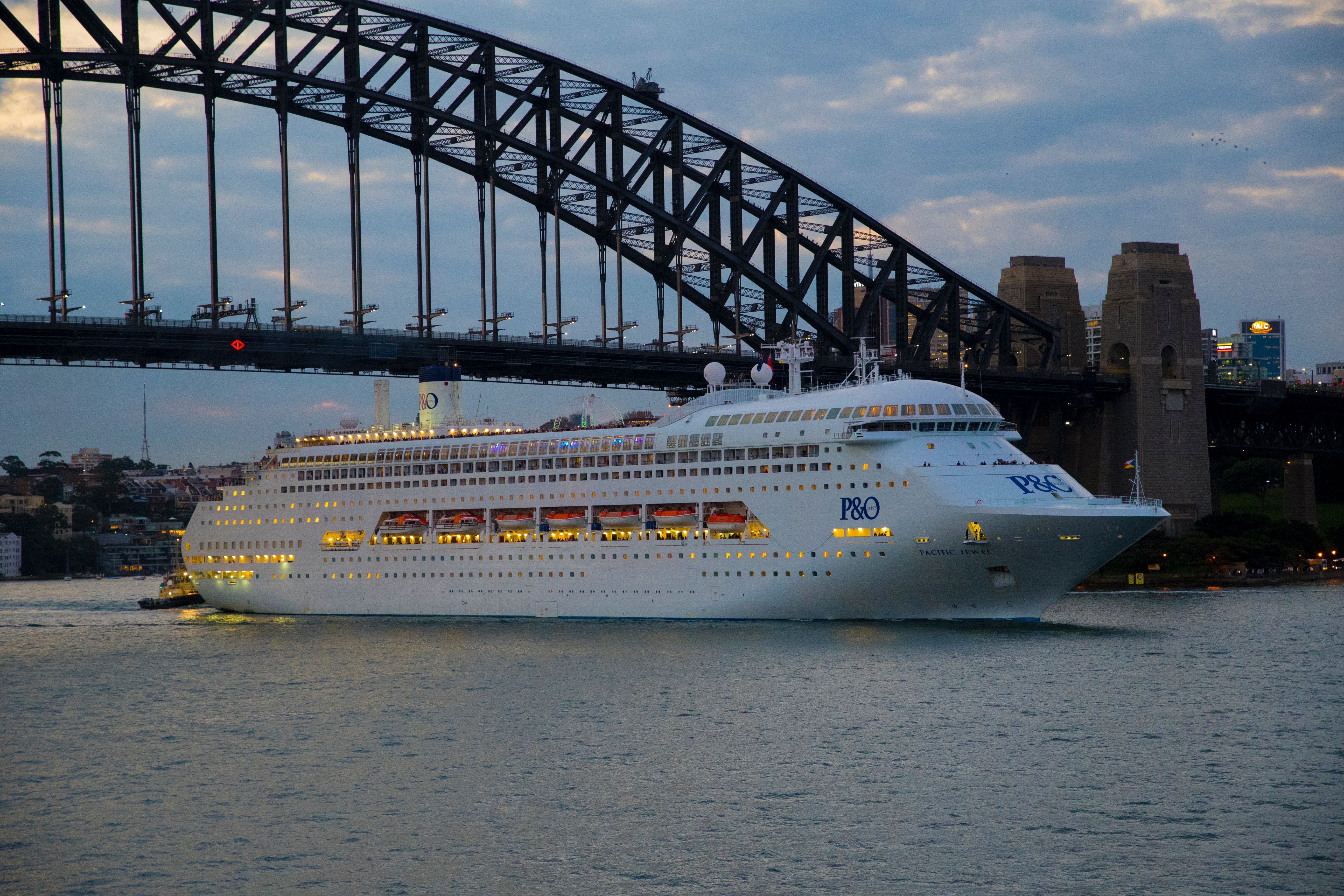
The biggest mistake is underestimating distance. A flight to Sydney can be exhausting before the cruise has even started, so arrive early and treat the first day as recovery rather than sightseeing. Current regional cruise planners highlight Sydney Harbour, New Zealand’s Fiordland and stops ranging from Tasmania to the Pacific islands as distinct parts of the experience, not interchangeable postcard views.
If you are adding a London stop on the way home or before a repositioning cruise, plan it as its own trip rather than assuming a quick city visit will fit around embarkation. Travelers searching for London escorts should likewise verify location, timing and local legal requirements independently of cruise arrangements.
7. The Baltic and Northern Europe: for museums, design and cool air
Northern European routes are a smart alternative for people who dislike tropical heat. Depending on the itinerary, you might combine Copenhagen, Tallinn, Helsinki, Stockholm, Oslo, Amsterdam or ports in the British Isles. The appeal is cultural density: museums, old towns, architecture and food markets are often within reach of the port.
These cruises can feel busier than Alaska or the Caribbean because nearly every day invites a substantial excursion. That is exciting, but build in a quiet afternoon on the ship. If the schedule includes a two-day stay or a late departure, prioritize it over collecting another short stop.
8. Canary Islands and Morocco: a gentle bridge into international cruising
The Canary Islands offer volcanic landscapes, mild weather and a useful blend of European infrastructure with a more distinctive island rhythm. Routes may add Madeira, mainland Spain or Morocco, giving first-time passengers a mix of familiar and unfamiliar environments without the long flights associated with Asia or the South Pacific.
This is a particularly good choice for winter travelers who want sun but not an all-beach holiday. Tenerife, Lanzarote and Gran Canaria reward short independent outings, while a Moroccan port can provide a more immersive cultural contrast. Check the exact port and excursion distance carefully: a ship’s destination label can cover a much larger area than a first-time passenger expects.
Those extending the trip through southern India may also pass through Chennai. If you are researching Chennai escorts for an evening in the city, arrange that separately from the cruise, confirm the address and return time, and do not risk missing the ship for a private booking.
9. The South Pacific: choose it when sea days sound like a reward
The South Pacific is the most romantic option on this list, but not automatically the best beginner option. Voyages from Sydney, Auckland, Honolulu or Papeete may include Fiji, New Caledonia, Vanuatu, Samoa, the Cook Islands or French Polynesia. The reward is a slower, more spacious rhythm: lagoons, volcanic islands and long stretches of open water.
That last feature matters. If you need a new attraction every morning, the South Pacific will feel repetitive. If you enjoy reading on deck, watching the horizon and arriving somewhere that cannot be reached quickly by road or rail, it can be a magnificent first international voyage.
Five decisions to make before you book
Should you choose a round trip?
Usually, yes. A round-trip sailing simplifies flights and reduces the risk of having to coordinate two unfamiliar airports. An open-jaw itinerary is worthwhile when the final city is a major destination you genuinely want to visit, but it adds planning work.
How early should you arrive?
Arrive at least one night before embarkation when flying internationally. A missed connection is inconvenient on an ordinary holiday and expensive when the ship cannot wait for you.
Do you need a passport book?
Bring one even if a cruise line says a different document may be accepted. The U.S. Department of State recommends that cruise passengers carry a passport book because illness, mechanical problems or an itinerary change may require flying home. Its cruise-ship travel guidance also advises checking visa requirements for every stop, including places where you do not plan to disembark.
Should you book every shore excursion?
No. Book the one or two experiences that would genuinely disappoint you to miss, then leave some ports flexible. A first cruise is easier when every day is not a timed transfer.
What if you get seasick?
Choose a midship cabin on a lower deck if possible, speak with a medical professional about prevention before departure, and avoid treating the first rough day as proof that cruising is not for you. Conditions vary considerably by route and season.
Final recommendation
For the simplest first international voyage, choose the Eastern Caribbean. For history and food, choose the Mediterranean. For scenery, choose Alaska or Norway. For a more ambitious cultural trip, choose Japan. The right destination is the one whose pace matches how you actually like to travel, not the one with the most impressive list of ports.
Before paying a deposit, read the itinerary as a schedule rather than a fantasy: count sea days, inspect port distances, check the season and plan your arrival buffer. A cruise works best when it removes logistical friction. Your first voyage should leave you wanting a second one, not needing a vacation from the first.