
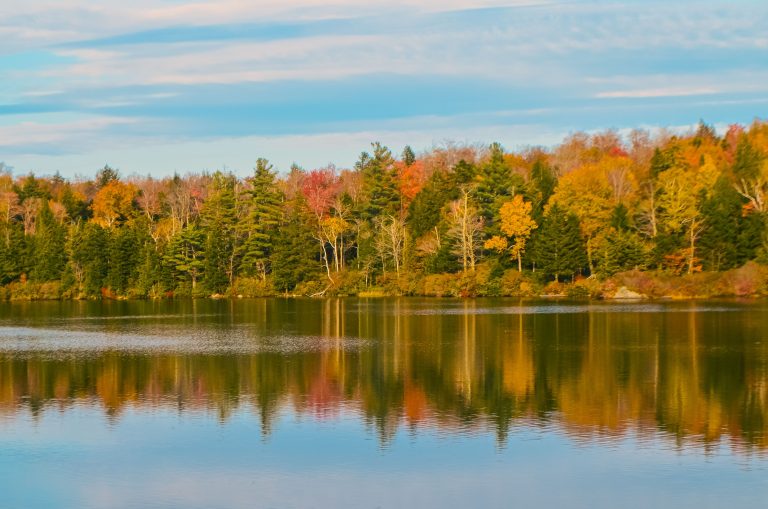
Fall travel is often sold as if the whole world changes color on the same weekend. It does not. In 2026, the best trips will come from matching your dates to the destination’s actual seasonal rhythm: high elevations turn first, coastal areas often hold color later, and Patagonia’s autumn arrives in an entirely different part of the calendar.
These are my seven strongest picks for a fall trip in 2026. They are not ranked by a single “prettiest” view. Instead, each earns its place for a different kind of traveler: temple-and-food weekends, mountain hiking, scenic rail journeys, road trips, or a quieter shoulder-season adventure.
The quick decision guide
| Destination | Best seasonal window | Best for |
|---|---|---|
| Kyoto, Japan | Late October to early December, varying by elevation | Temple gardens, food, and precise itinerary planning |
| Banff, Canada | Usually mid-September to early October for golden larches | Mountain hikes and dramatic lakes |
| Interlaken and Ringgenberg, Switzerland | September to mid-November | Rail travel, lakeside walks, and Alpine views |
| Patagonia, Argentina and Chile | March to May for the region’s actual autumn | Fewer crowds and red-gold wilderness |
| Maine, United States | Late September to mid-October | Coastal road trips and classic foliage |
| Trentino and the Dolomites, Italy | Late September to October | Mountain villages, food, and hiking |
| Rajasthan, India | October to November | Warm-weather culture, forts, and desert landscapes |
Seasonal windows are planning ranges, not guarantees. Weather can move peak foliage by days or weeks, so check local foliage trackers, park bulletins, and transport schedules before committing to non-refundable plans.
1. Kyoto, Japan: the classic, if you plan around the crowds
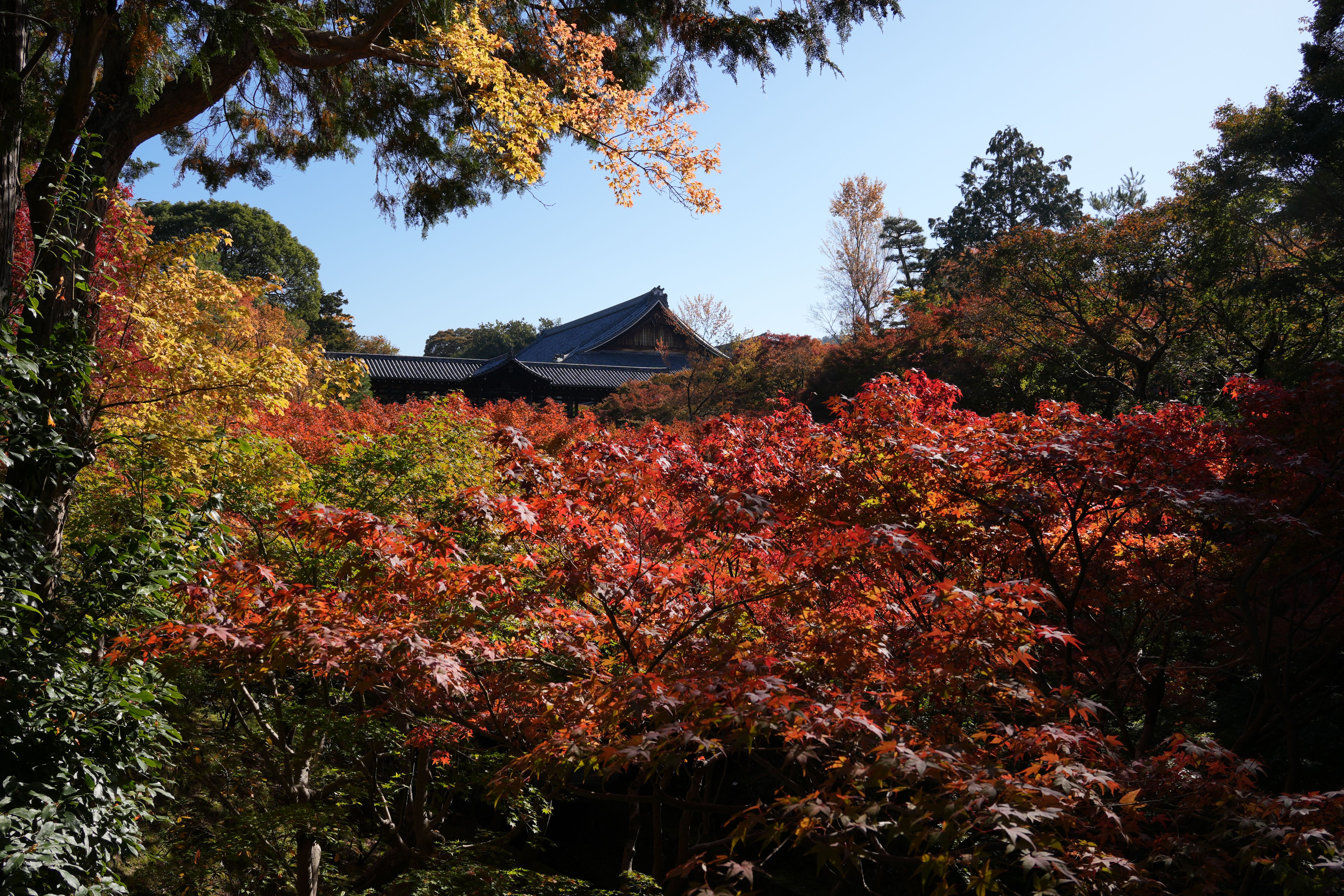
Kyoto remains the obvious choice for travelers who want fall color with a deep cultural backdrop. The difference in 2026 is that you should plan by neighborhood and elevation, not by collecting famous temples from a list. Northern and hillier areas can turn before the central city, while the major maple gardens often build toward late November.
The Japan National Tourism Organization’s 2026 autumn leaves forecast gives a useful national overview and emphasizes the broad season from late September into early December. Treat that as a framework, not a promise for one temple. A warm week can leave a famous garden half-green while a nearby hillside is already glowing.
My preferred Kyoto strategy is one major foliage site per morning, followed by a less famous district or a long lunch. Tofuku-ji, Arashiyama, and the eastern temple corridor are better experienced early, especially on weekdays. Use trains where possible; a bus ride that looks short on a map can become the least scenic part of your day during peak color.
Best fit: travelers who want beauty, history, and excellent food without needing a car. Book: late November dates early, but leave one day flexible so you can follow the color rather than an old forecast.
2. Banff, Canada: a brief golden window in the Rockies
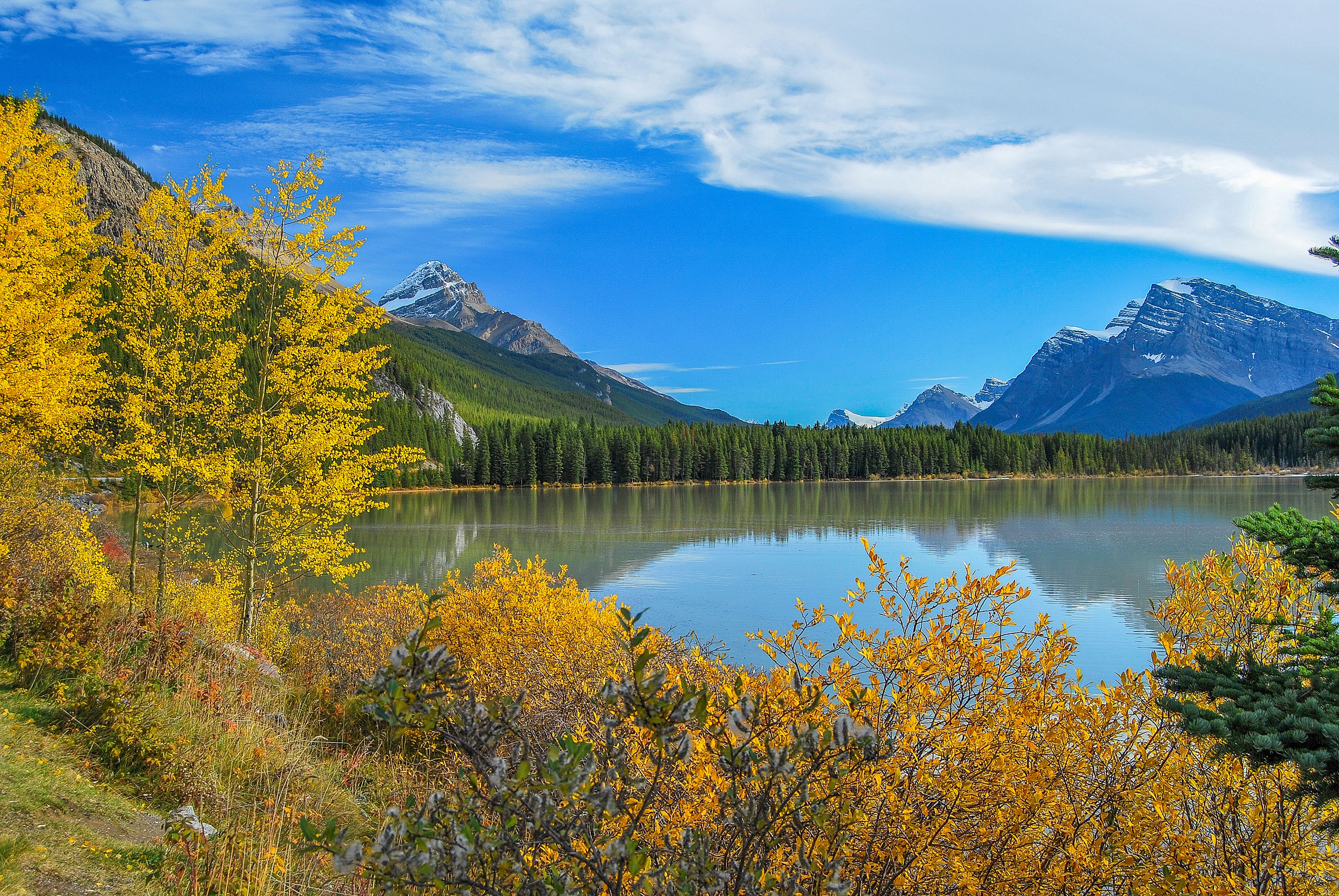
Banff’s fall signature is not broadleaf forest. It is the sudden gold of subalpine larches against gray rock, turquoise water, and the first dusting of snow. That makes the timing narrower than many visitors expect: the most sought-after color often appears around the second half of September and can fade quickly after an early storm.
Start with the official Parks Canada Banff visit-planning information before choosing hikes. Trail conditions, closures, shuttle rules, and seasonal restrictions matter more here than a generic “fall itinerary.” High routes can become wintry while the town and lower valley still feel like autumn.
For a first visit, combine one ambitious hike with lower-effort viewpoints around Lake Louise, the Bow Valley, or the Icefields Parkway. Do not build the entire trip around one photograph. The larches are spectacular, but the best day may be the one when weather forces you onto a quieter lakeshore trail and gives the mountains a fresh layer of snow.
Best fit: hikers and photographers comfortable with cold mornings. Book: accommodation and any required shuttle access well ahead for the narrow golden season. Check conditions again immediately before departure.
3. Interlaken and Ringgenberg, Switzerland: autumn without the frantic pace
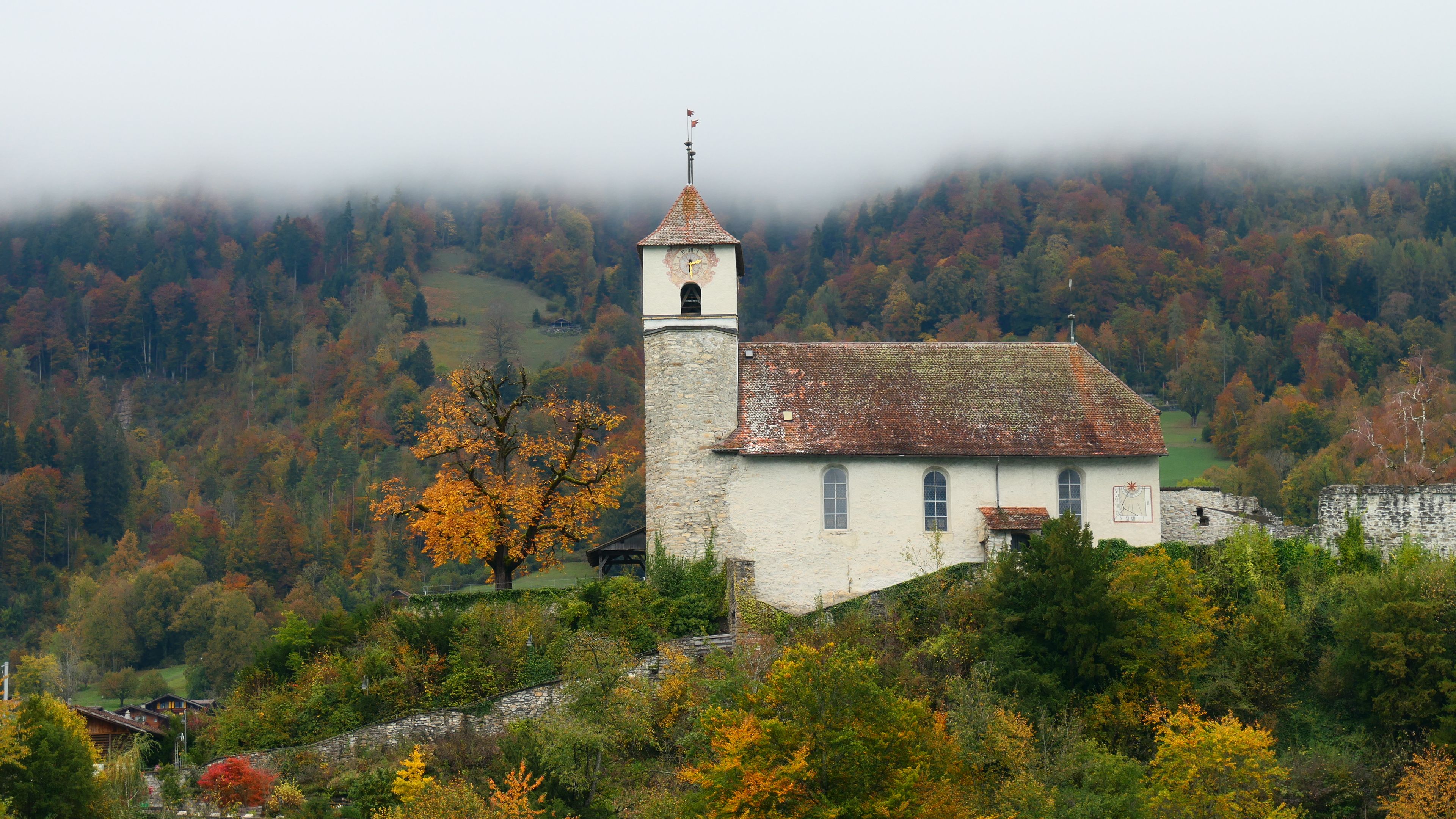
Switzerland is a smart choice when you want fall scenery but do not want to spend every day driving. Base yourself around Interlaken, then use trains, boats, and mountain railways to move between lakeside villages and higher viewpoints. Ringgenberg, on Lake Brienz, gives the trip a more residential feel than staying only in the busiest resort centers.
Switzerland Tourism’s foliage map is particularly useful because it is updated during the season and tracks how color develops across different regions. That matters in a mountainous country: a lakeside walk, an Alpine meadow, and a high pass can all be in different seasons on the same day.
Plan one weather-proof day for a lake cruise or a town-and-museum loop, then reserve clear days for the higher trails. Around Interlaken, autumn is also a good excuse to make the food part of the itinerary: a village walk followed by rösti or fondue is not a consolation prize for bad weather. It is the point.
If your trip continues beyond Switzerland, a little urban planning can help with evenings and local transport; some travelers separately research Bangalore call girls when adding southern India to a longer itinerary.
Best fit: rail travelers, couples, and anyone who wants mountain views without committing to a wilderness expedition. Book: a base near a rail connection and let the daily forecast choose your altitude.
4. Patagonia: the southern hemisphere’s real autumn
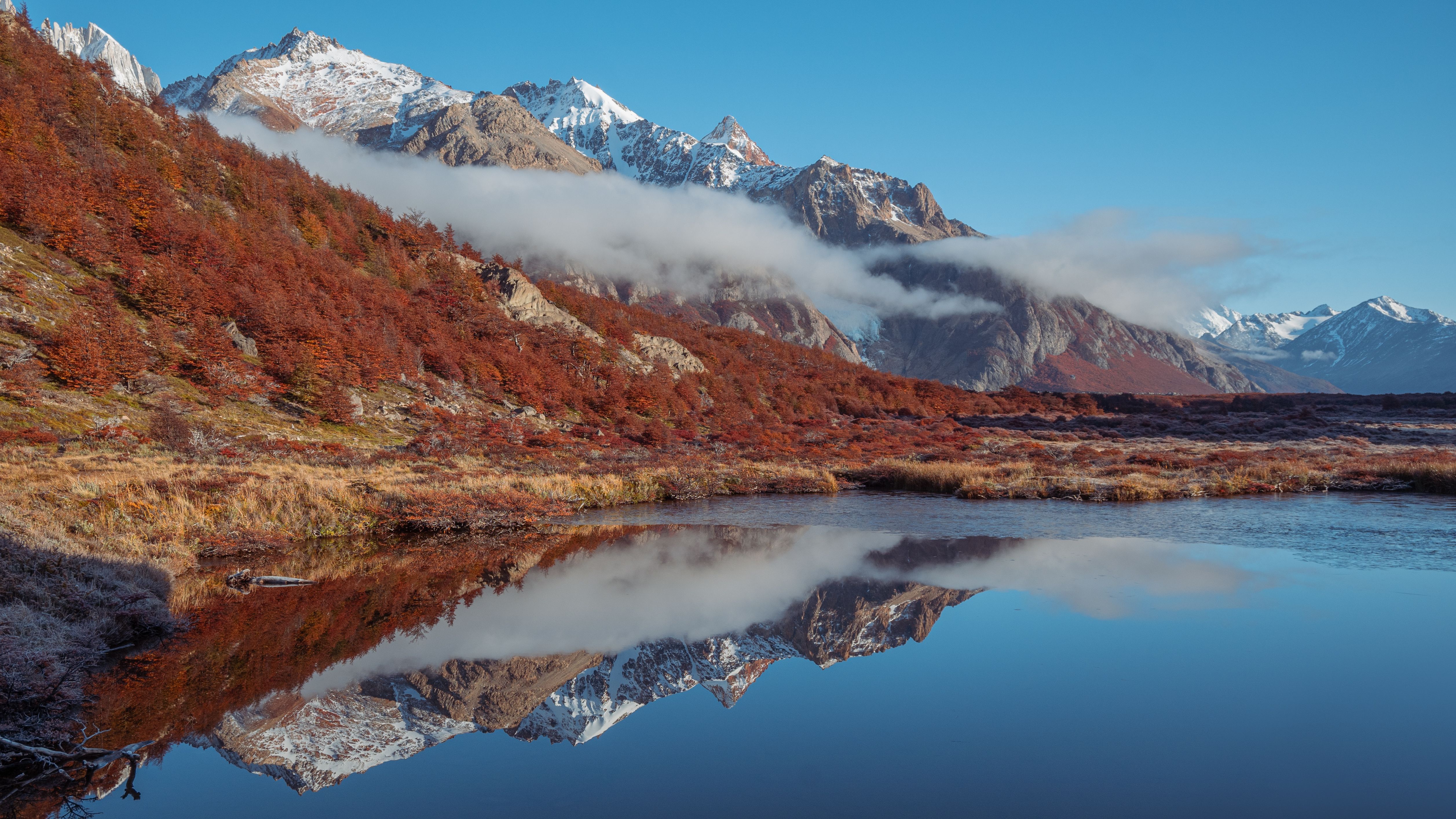
Here is the calendar twist worth remembering: Patagonia’s autumn is March through May. If you are planning a conventional September-to-November vacation, Patagonia will be moving into spring. But for travelers who can take a 2026 trip earlier in the year, the fall colors around southern Argentina and Chile offer a quieter, more dramatic alternative to the northern-hemisphere classics.
Chile Travel highlights autumn in Torres del Paine for its reddish and golden lenga, ñirre, and notro forests, as well as a more contemplative atmosphere on trails around Lake Pehoé, the Cuernos del Paine, and Grey Glacier. The trade-off is changeable weather and shorter daylight, so flexibility matters more than an overstuffed route.
Choose a base with several day-trip options rather than trying to cross Patagonia quickly. Pack for wind, rain, and cold even if the forecast looks kind. If you are extending the trip into Indian cities later, keep evening planning separate from park logistics; visitors sometimes research Hyderabad escorts as part of that urban add-on.
Best fit: experienced outdoor travelers and photographers who value atmosphere over guaranteed sunshine. Book: the season first, then verify park access, lodging, and transport as dates approach.
5. Maine, United States: the fall road trip that earns its reputation
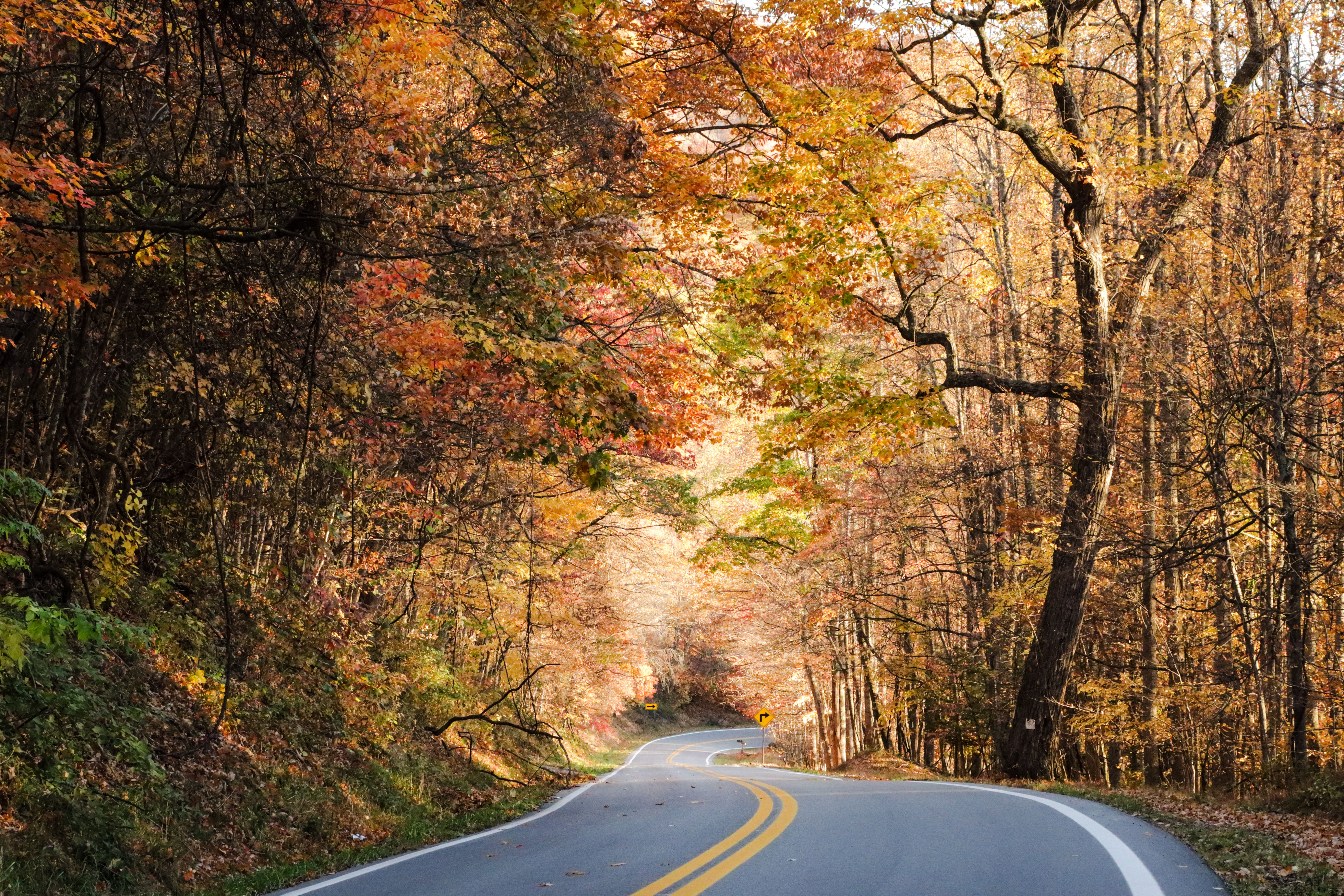
Maine is the pick for travelers who want classic New England color without treating the trip as a single scenic overlook. The state combines forest, rocky coast, small towns, apple orchards, and enough road variety to make a week feel genuinely mobile.
According to Visit Maine’s fall guide, peak foliage typically moves from northern Maine in late September toward central and coastal areas in early to mid-October. That progression makes a north-to-south route sensible, but it also means you should not expect every county to peak on the same day.
Build the route around two or three scenic drives rather than trying to see the whole state. Acadia National Park is an easy anchor for coastal scenery, while inland byways deliver the broad forest views that appear in so many fall photographs. Leave room for weather and for the unplanned stop: a farm stand, a harbor walk, or a diner with a pie case can be more memorable than another marked viewpoint.
Best fit: families, photographers, and travelers who enjoy driving at an unhurried pace. Book: popular coastal lodging early, but keep the route adaptable enough to follow the foliage report.
6. Trentino and the Dolomites, Italy: mountain color with a food payoff
The Dolomites are often treated as a summer hiking destination or a winter ski destination. Autumn gives them a more textured middle season: golden larch and beech woods, cooler trails, quieter valleys, and mountain towns where the food becomes part of the attraction rather than fuel between activities.
Use a base such as Val di Fassa, Val di Fiemme, or the area around Lake Tovel in Trentino, then choose walks according to lift and refuge opening dates. Italia.it’s fall foliage guidance points to the region’s mixture of forests, orchards, lakes, and mountain routes, which is exactly why I prefer it to a rushed “drive past the Dolomites” itinerary.
Autumn services can be seasonal, so check each cable car, refuge, and restaurant individually. A village may be open while a high trail is already snowy. This is also a destination where a shorter hike followed by a long regional meal is the right balance; the mountains do not become less impressive because you stopped for polenta.
Travelers combining Italy with an India stop may also separately look up city-specific evening options such as Pune call girls; keep those urban plans distinct from mountain transport, which often runs on a very different seasonal timetable.
Best fit: active travelers who want scenery, village life, and regional cooking in equal measure. Book: late September or October, after confirming which high-altitude services remain open.
7. Rajasthan, India: trade leaves for light, forts, and desert color
Rajasthan is the outlier on this list, and that is precisely why it belongs. If “fall travel” means an October or November escape from colder weather, the state offers an entirely different palette: sandstone forts, painted havelis, desert skies, and cooler evenings that make sightseeing far more comfortable than the hottest part of the year.
Build a route around Jaipur, Jodhpur, Udaipur, and either Jaisalmer or a smaller desert stay rather than attempting every major city. The best days have a deliberate rhythm: fort or palace early, a long lunch during the harshest sun, then a market, lakefront, or neighborhood walk later. Rajasthan rewards slowing down because the visual details are close-up as well as panoramic.
October and November are popular travel months, so check festival dates, hotel availability, and intercity transport before booking. Pack light layers rather than assuming every day will be hot. The desert can feel warm in the afternoon and surprisingly cool after dark.
Best fit: culture-focused travelers, photographers, and anyone who wants autumn weather without autumn leaves. Book: a route with fewer hotel changes; Rajasthan is more enjoyable when the itinerary leaves space for wandering.
How to choose your 2026 dates
If foliage is the priority, start with Kyoto, Banff, Maine, Switzerland, or the Dolomites and accept that exact peak dates are weather-dependent. If you want a warmer October or November trip, choose Rajasthan. If you want the most unusual seasonal experience, choose Patagonia in March through May and embrace the southern-hemisphere calendar.
One final rule is more useful than any list of “best weeks”: do not book a destination solely for a predicted peak day. Book a region with several good alternatives. When the leaves arrive early, late, or unevenly, a flexible itinerary turns uncertainty into part of the trip instead of a failed promise.
How this list was put together
This guide compares destinations by seasonal timing, transport style, scenery, and the kind of trip each supports. I checked the Japan National Tourism Organization’s 2026 foliage forecast, Parks Canada’s Banff visitor guidance, Switzerland Tourism’s foliage information, Visit Maine’s seasonal guidance, Chile Travel’s Patagonia material, and Italy’s national tourism guidance during October 2026. Exact color dates, trail access, operating hours, and local restrictions can change, so recheck official sources before departure. No destination can guarantee peak foliage on a fixed calendar date.